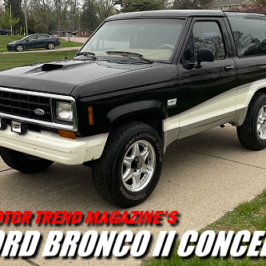
The Bronco II Ford Never Built?
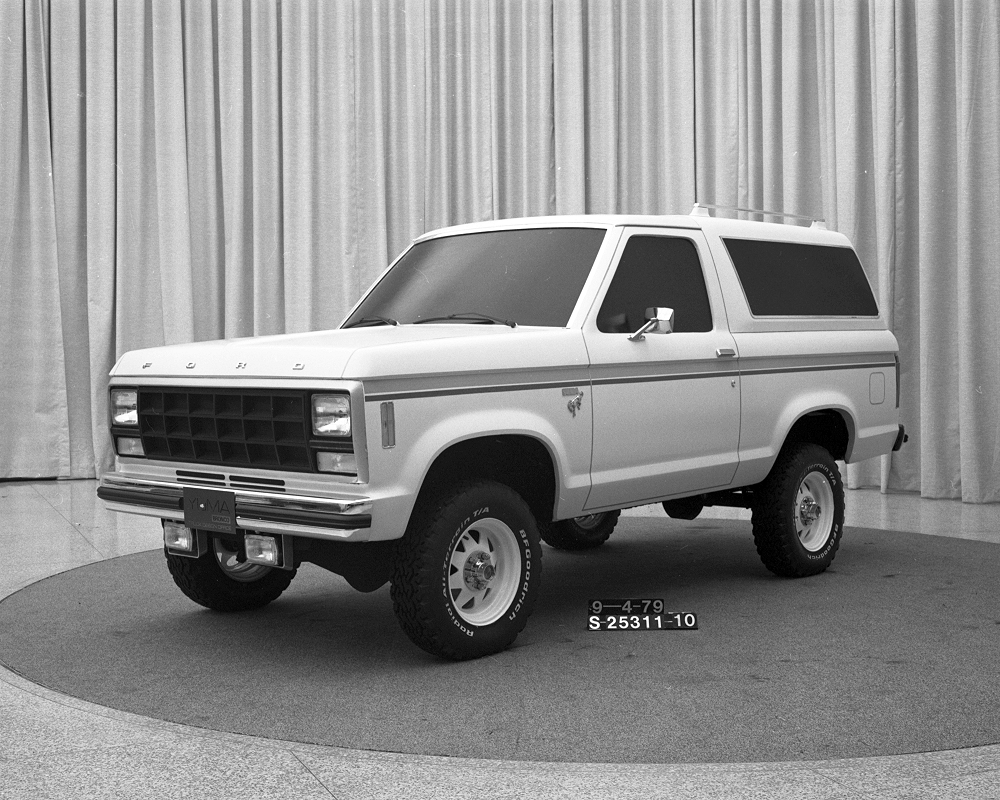
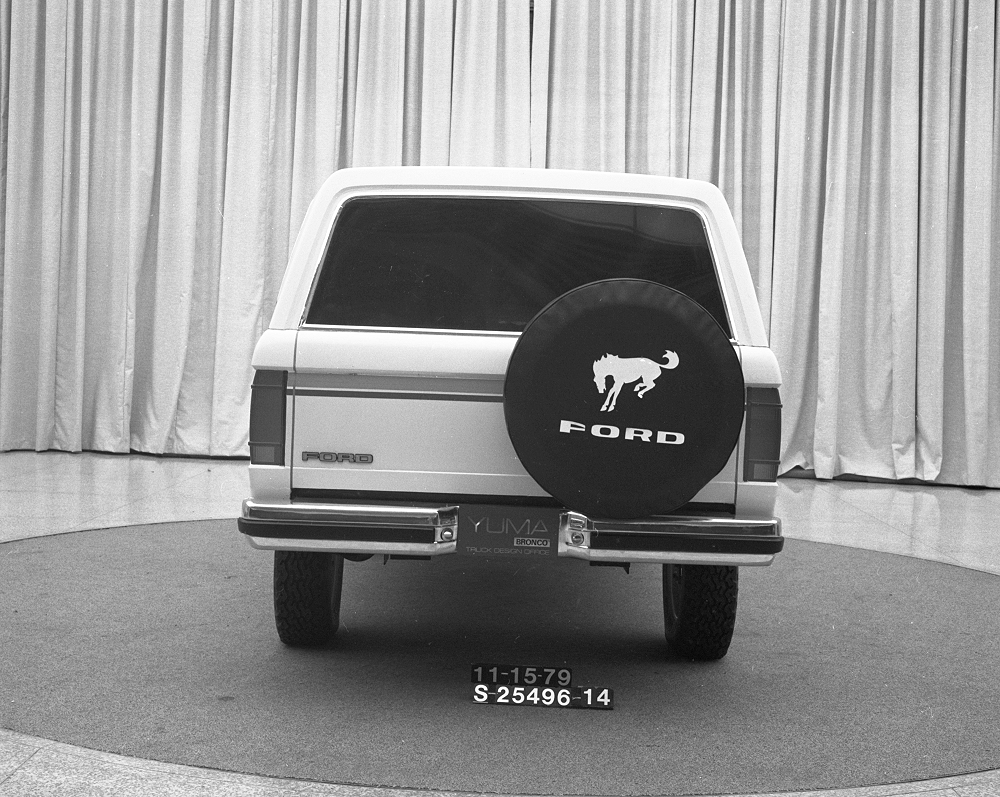
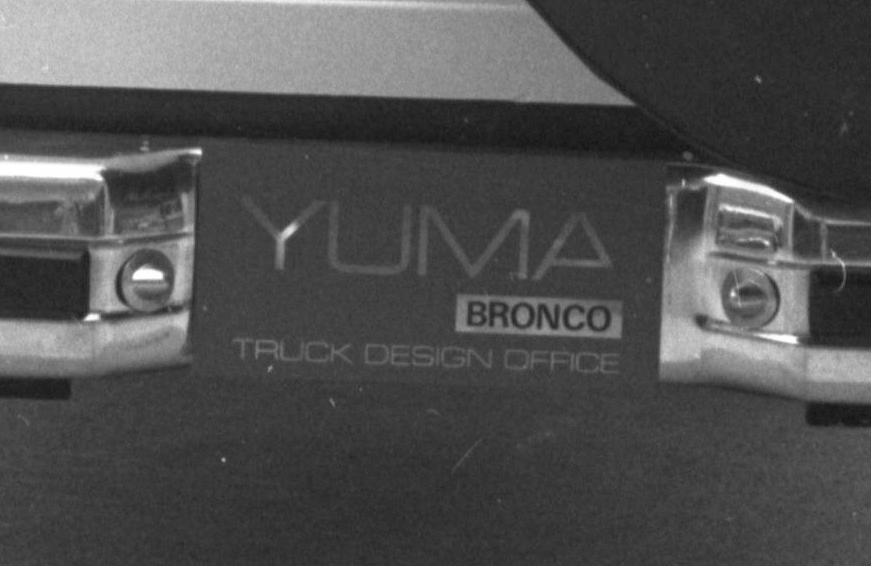
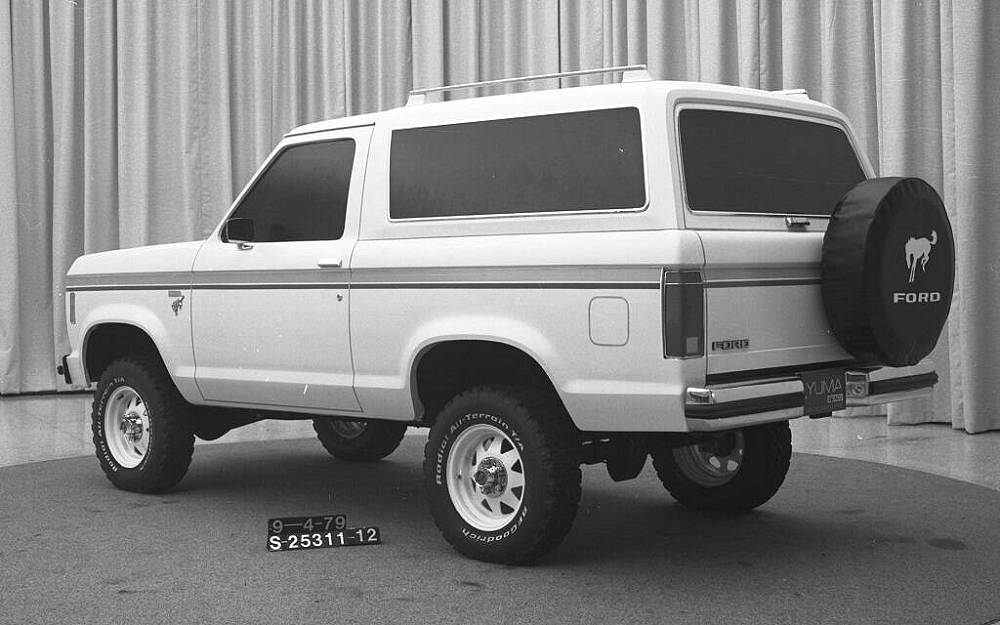
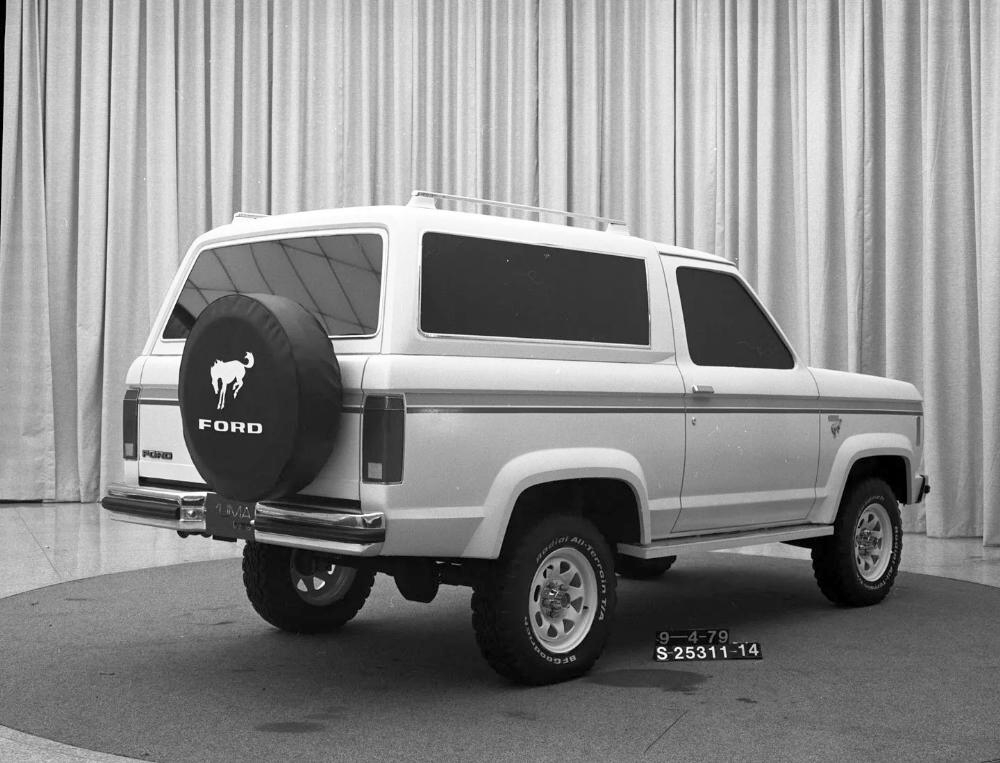
One of the most fascinating early Ford Bronco II prototype photos shows a compact SUV sitting in a Ford design studio sometime around 1979 wearing a “Yuma” license plate. While most enthusiasts recognize it as an early Bronco II development vehicle, one detail stands out immediately:
The removable rear roof section.
Looking closely at the prototype, the rear portion of the roof appears to be removable much like the full-size Ford Bronco of the late 1970s. That single design feature hints that Ford may originally have envisioned the Bronco II as something far more adventurous than the production model that debuted for 1984.
Project Yuma
During the late 1970s, Ford was developing a new compact truck platform internally known as Project Yuma. The program was intended to create a small Ford-built pickup to compete in the growing compact truck market.
At the time, Ford’s compact pickup offering was the Courier, which was actually built by Mazda. Ford wanted its own compact truck platform engineered in-house.
What eventually emerged from Project Yuma became two vehicles:
- the Ford Ranger
- the Ford Bronco II
The “Yuma” plate seen on the prototype likely references Ford’s internal “Project Yuma” compact truck development program that eventually produced the Ford Ranger and Bronco II.
A Return To The Original Bronco Formula
By 1978, the full-size Bronco had grown into a large truck-based SUV sharing much of its structure with the F-Series pickup. But the original 1966 Bronco had been something very different:
- compact
- short wheelbase
- easy to maneuver
- off-road focused
- available with removable tops
The early Bronco II prototype appears to reflect an attempt to return to some of those original Bronco characteristics.
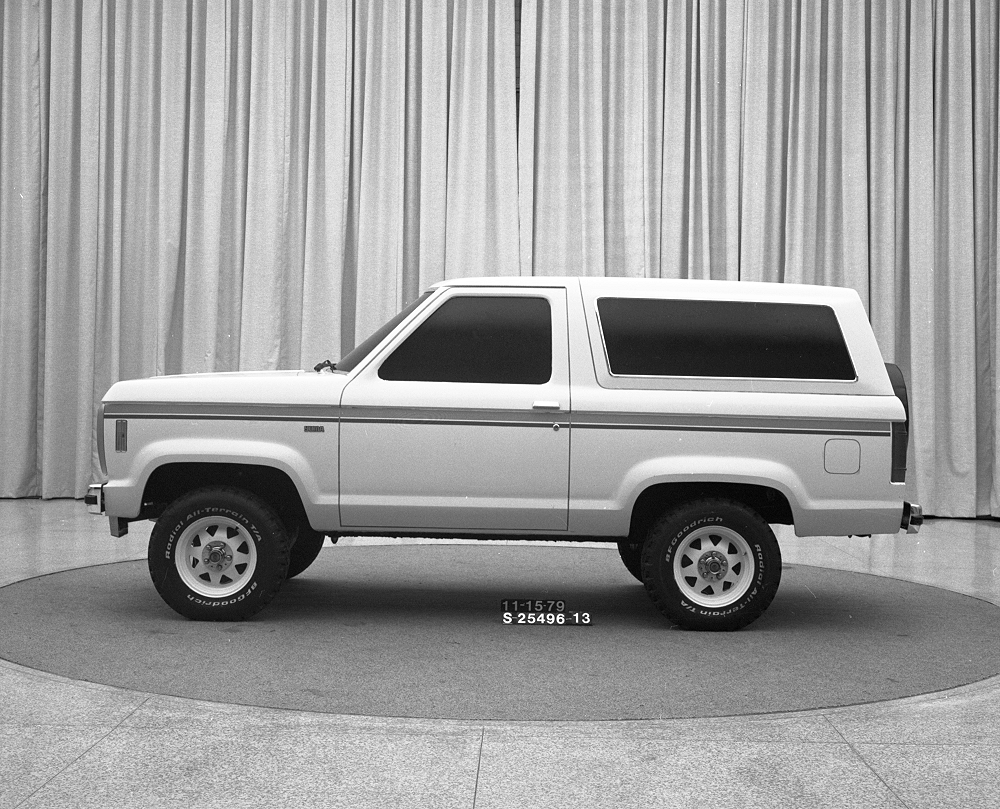
Its proportions are compact and upright. The wheelbase appears short. And most importantly, the removable rear roof section suggests Ford may have initially considered giving the Bronco II a more recreational personality similar to the Jeep CJ, International Scout, Chevrolet Blazer, and the original Bronco.
What Could Have Been
Had Ford produced the Bronco II with a removable rear roof section, it may have competed more directly with Jeep rather than simply targeting vehicles like the Jeep Cherokee and Chevrolet S-10 Blazer.
A removable-top Bronco II would have offered:
- open-air driving
- greater recreational appeal
- stronger ties to the original Bronco
- a more direct competitor to Jeep CJ models
Instead, the production Bronco II evolved into a more refined compact SUV with a fully integrated steel roof, quieter interior, and improved everyday comfort.
Ford likely abandoned the removable roof concept for several reasons:
- increased manufacturing cost
- water leak concerns
- body rigidity and rollover strength
- noise and vibration reduction
- changing safety standards in the late 1970s
Automakers during this era were increasingly moving away from removable tops and convertibles as rollover safety concerns grew.
A Fascinating Piece Of Bronco II History
Today, the 1979 “Project Yuma” Bronco II prototype offers enthusiasts a rare glimpse into the earliest stages of Bronco II development.
More importantly, it shows that Ford may once have considered building a very different kind of Bronco II — one that stayed even closer to the spirit of the original 1966 Bronco.
Instead of simply becoming a compact SUV, the Bronco II might have evolved into a true open-air recreational 4×4 capable of challenging Jeep not just in utility, but also in fun.
Looking back now, that removable rear roof section may represent one of the biggest “what if?” moments in Bronco II history.
About The Author
Jim Oaks is a longtime Ford truck and SUV enthusiast and the founder of The Ranger Station and Bronco II Corral. With decades of hands-on experience, he writes both technical and non-technical articles covering the Ford Bronco II, including mechanical systems, factory engineering, common upgrades, and detailed feature vehicle write-ups.
In addition to technical content, Jim documents Bronco II history, rare factory and aftermarket models, production details, and original Ford marketing materials. His work is based on firsthand experience, original documentation, and long-term involvement in the Ford enthusiast community.
Through his sites, Jim has built comprehensive reference libraries that serve owners, builders, restorers, collectors, and historians, helping preserve the Bronco II’s technical knowledge and historical significance.